Manage vehicle and pedestrian access with plate recognition and QR-code entry systems.
AYSAV Technology Team
Overview
Who, when and through which gate?
Plate recognition and QR-code entry systems authorize, record and report vehicle and pedestrian access at residential complexes, facilities and campuses.
Plate recognition
The camera at the entry point reads the vehicle’s plate; if the plate is on the authorized list, the barrier opens automatically and the passage is recorded with a photograph.
Authorized vehicle list and per-unit vehicle limits
Passage records with photographs
Guest vehicle registration
Manual passage report
QR-code entry systems
Pedestrian access is authorized by QR code or card, and visitors can be issued time-limited QR codes.
Pedestrian access with QR codes and Mifare cards
Time-limited visitor QR codes
Social facility and capacity control
Use cases
The system is configured to the type of access point and the user profile.
Residential complexes: resident and guest vehicles
Business centers and facilities: staff and visitor access
Car parks: entry and exit records
Social facilities: capacity and authorization control
How it works
Readers at the access points connect to central software; permissions, passage records and reports are managed from one screen.
Read: the camera reads the plate or the reader scans the QR code
Verify: the software checks the authorization
Pass: the barrier or turnstile opens
Record: the passage is logged with time and photograph
Plate recognition for residential complexes
Growing numbers of units, limited parking capacity, adding and removing permissions of residents who move, and guest vehicle management increase the workload of property managers and security staff. The plate recognition system automates this work.
The plate recognition solution for residential complexes has been in use since 2014 at hundreds of complexes as well as ports, factories, public institutions and universities.
Vehicle limits: a parking limit is set for each unit regardless of how many vehicles residents own; company vehicles and family vehicles can be registered, and no more vehicles than permitted can enter.
Manual passage report: when a guard opens the barrier for an unregistered vehicle by remote control or button, the vehicle photograph and passage time are recorded, preventing unwanted access permissions.
Guest vehicles: plates of guest and unknown vehicles are recorded.
Management software integration: if the property management software supports it, the system works integrated with it; vehicles entered in the software pass automatically, and users, permissions and reports are managed there.
Plate reading camera
Plate recognition software for domestic, foreign and military plates
Megapixel IP (HD resolution) plate recognition camera
Day/night auto-iris 5-50 mm lens designed for plate recognition
Infrared (IR) projector with 6 power LEDs
QR-code mobile access
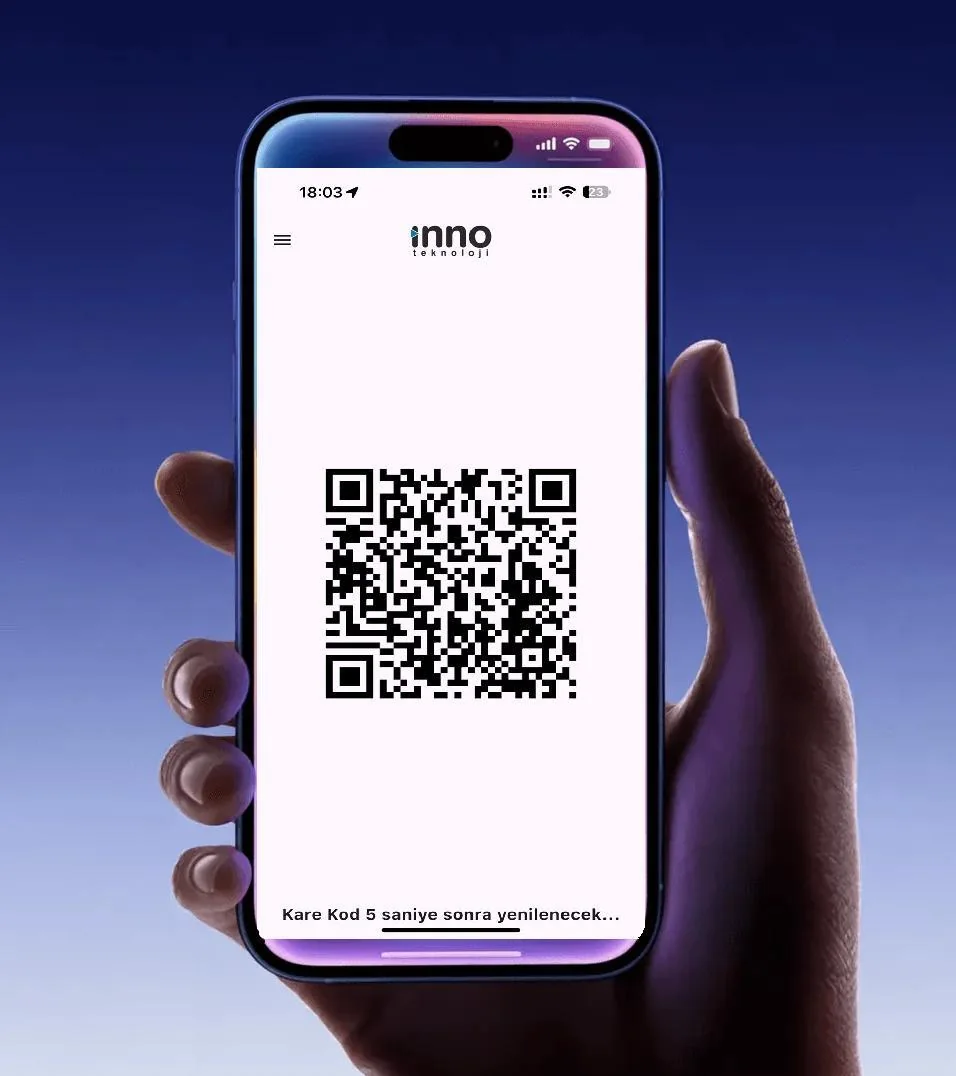
Users pass through doors and turnstiles by scanning a QR code generated in the mobile app on their smartphone. The system complies with the Turkish Personal Data Protection Law (KVKK).
QR code readers also read Mifare cards, so compatible cards can be used.
Visitors can be issued QR codes or visitor cards.
Access control and capacity limits for social facilities and pools.
Vehicle and pedestrian permissions, visitors and reports are managed from one screen.
QR-code mobile access app
Rental model
The plate recognition system can be used for a monthly rental fee, without an investment budget or purchase and without an installation fee.
Free service for all issues covered by warranty during the service period
Nationwide 24/7 technical support
Process: site survey, quotation, installation and staff training
Vehicle operations for factories
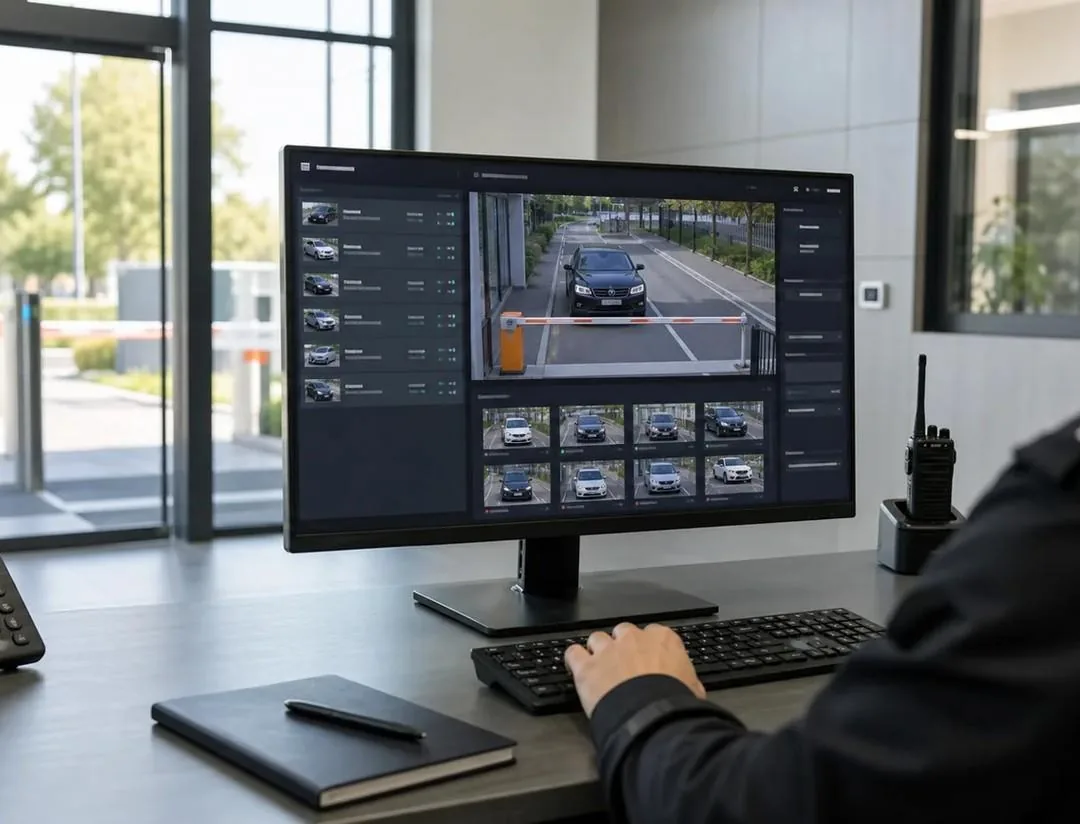
In factories, reading a plate at the gate becomes meaningful when it is linked to the vehicle record and the operational steps. In İnno Kontrol’s plate recognition solution for factories, each vehicle is tracked with a single record from entry to exit: the security screen shows why the vehicle arrived, its next station and whether it is ready to leave.
Registration: plate, company, transaction type (purchase, sale, return, shipment) and purpose of visit
Outside parking and SMS call: the vehicle waits outside the factory, the operations team selects the next vehicle and the driver is called to the gate by SMS
Gate decision: when the plate is read, the record type and the first station (sampling, weighbridge or warehouse) appear on the security screen
Sampling, weighbridge and shipment: the quality result, first and second weighing and loading or unloading are linked to the same vehicle record
Exit approval: if required steps are incomplete, a warning or authorized approval is required at the exit; manual barrier openings are reported with plate, photo and time
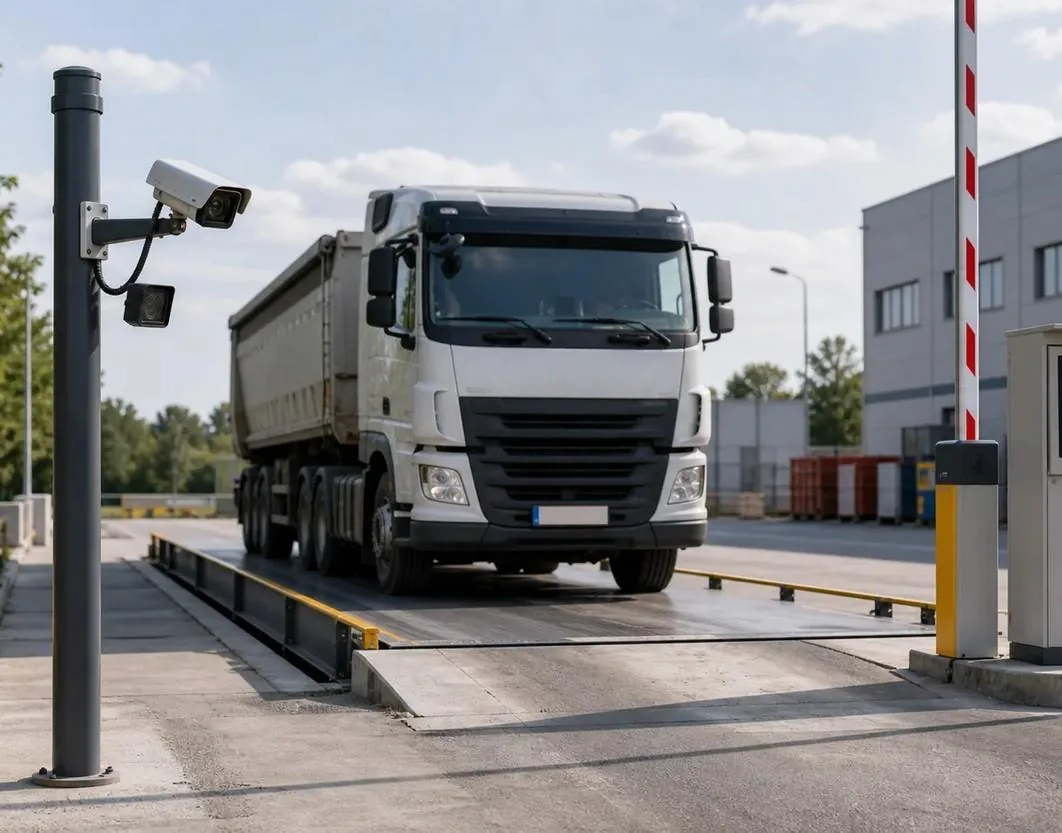
Plate reading at the weighbridge (illustration)Vehicle record on the security screen (illustration)
Integration and factory types
Business rules are adapted to each facility’s workflow and authorization rules; integration scope with systems that offer a suitable interface is confirmed during the survey. Outside parking, SMS, sampling and weighbridge steps are not required in every project.
Integration: ERP and e-Flow (orders, approvals), WMS and TMS (warehouse, shipment), weighbridge, sampling and quality systems, SMS service
Food and agriculture: raw material intake, sampling, quality and weighbridge
Metal and scrap: supplier, material type, entry and exit weighing
Cement and mining: heavy truck traffic, loading points and shipment
Chemicals and fertilizers: material class, documents and safety procedure
Energy and fuel: tankers, service vehicles and multi-site rules
Project approach: survey, adaptation, integration, pilot and support
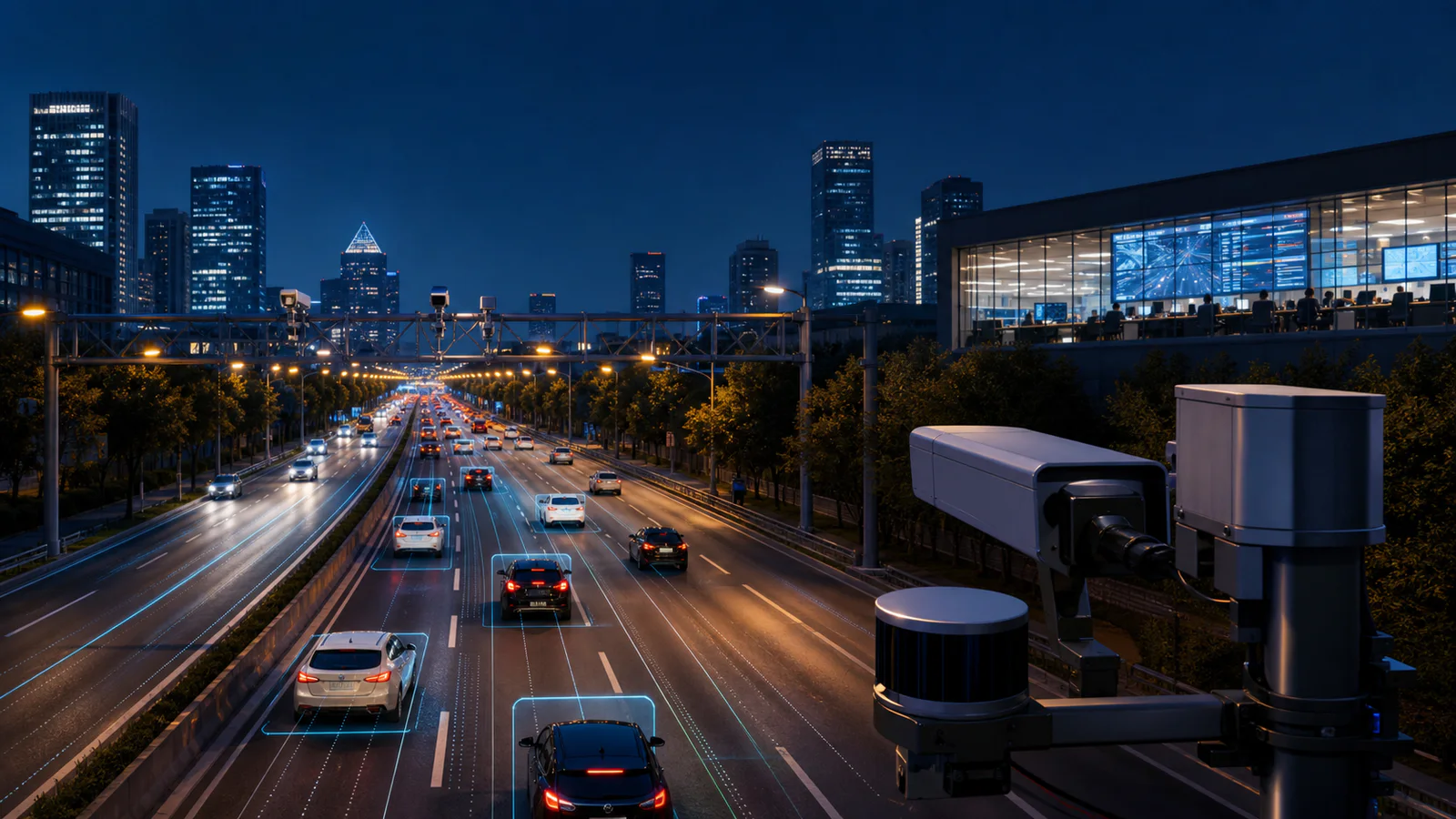
FACTOR B2 for traffic enforcement
FACTOR B2 is a compact unit for traffic enforcement and management that combines plate recognition, make, model and color recognition, vehicle classification and speed measurement in one module. It works autonomously 24/7 in all weather conditions and mounts on existing light poles, bridges and similar structures.
Traffic statistics and violation detection
Detection of pedestrians and objects on the road, advanced video analytics
Automatic data transfer to data centers and integration with national traffic databases
Data protection against unauthorized access
FACTOR B2 technical specifications
Contents
Plate recognition camera, IR illuminator, processing unit, GPS / GLONASS receiver, integrated software
Lanes covered
Up to 5 lanes
Plate reading accuracy
95% - 99%
Speed measurement range
1 - 350 km/h
Recognition
Plate, make, model and color; automatic vehicle classification